


















Executive & team coach · Coach supervisor · Coach mentor · Talent assessor · Talent & leadership development

The right question rewires the conversation.

For 20 years I have built leaders and talent functions across global pharmaceutical companies in the Middle East, Africa, Asia and the US. Today I coach executives and teams, supervise and mentor coaches, and assess senior talent, joining evidence-based coaching with what neuroscience tells us about attention, belief and change.

B.Pharm · ICF PCC · ACTC · EMCC ESIA · EMCC Senior Practitioner · BCC · CPTD · GTML

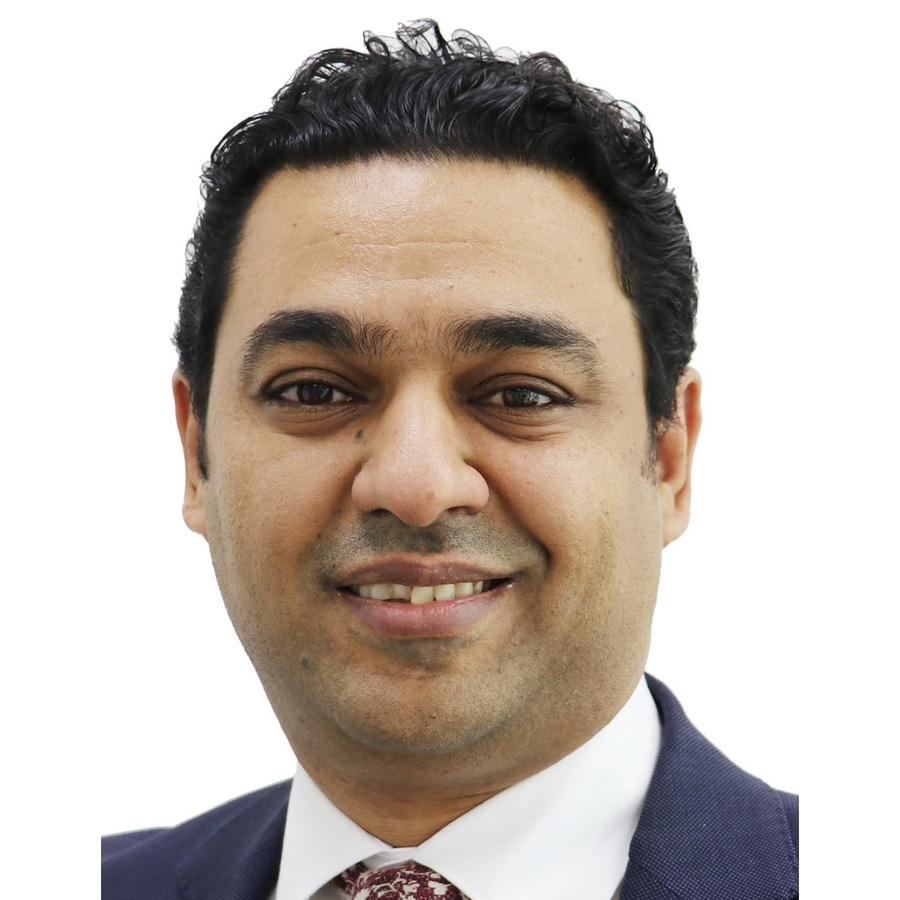
Portrait of Islam AbouElEnein
★ ICF Credentialing Assessor
My missionTalent magnet → Talent multiplier
20+years in global pharma and people leadership
100+international certifications and accreditations
160+recommendations from leaders and peers on LinkedIn
15+psychometric and assessment tools, BPS registered
Experience

Two decades building leaders in global pharma

  1. 2004

    It started in the field

    I began as a medical representative, a pharmacist talking to doctors every day. I learned early that people change their minds through good conversations, not through slides.

  2. 2010

    Leading people

    As a regional head of sales, I found that my best results came from coaching my team, not from pushing targets. That was the turning point.

  3. 2014

    Building capability at scale

    I moved into HR transformation and leadership development, then into a global strategist role at a US corporate centre, and later led learning and talent management across South Asia, the Middle East, Turkey and Africa. Assessment centres, succession and sales force effectiveness became my toolkit. As a certified Six Sigma Black Belt, I also led process-improvement projects, which taught me to treat people development with the same discipline as any business process: define the problem, measure it, find the root cause and make the improvement stick.

  4. 2019

    Growing talent across emerging markets

    I led talent management for the GCC, then learning and talent development across emerging markets, embedding coaching into how leaders grow.

  5. Today

    Building from the ground up

    As Corporate Head of Talent & Leadership Development, I am building a talent and leadership function from the ground up, together with my team. Alongside that, I coach executives and teams, supervise and mentor coaches, and assess senior talent.

The whole talent journey

I have led every stage of talent management, end to end

Across my career I have owned the full employee lifecycle, not just one piece of it. Because I have worked on every stage, I can see how a decision in hiring shows up years later in engagement, performance and succession.

My aim is simple: help organisations become talent magnets that attract and keep great people, and grow leaders who are talent multipliers, who make everyone around them more capable.

  1. HR & talent strategyAligning people priorities with business goals
  2. Workforce planningThe right roles, skills and numbers for the future
  3. Talent acquisitionAttracting and selecting the right people
  4. AssessmentAssessment and development centres, psychometrics
  5. OnboardingGetting new joiners productive, fast
  6. Learning & developmentCapability building across all functions
  7. Leadership developmentProgrammes, coaching and high-potential pathways
  8. Performance managementGoals, feedback and accountable leadership
  9. Total rewardsPay, benefits and recognition that keep people motivated
  10. EngagementCulture, recognition and the employee voice
  11. Diversity, equity & inclusionCo-led national DE&I and mentoring programmes
  12. RetentionKeeping the people who matter most
  13. SuccessionA ready pipeline for critical roles
Credentials

100+ certifications and accreditations

A selection is shown below. Each badge links to its official record, so you can verify it with the awarding body.

Also certified in

  • ICF Credentialing Assessor
  • Studying: The Art & Science of Coaching, Level 3, The MCC Journey (Erickson)
  • Edward de Bono Strategic Thinking Hats Practitioner
  • LEGO® Serious Play® Facilitator, Seriouswork
  • Professional Instructional Designer, iSpring
  • Korn Ferry Assessment
  • Six Sigma Black Belt
  • Accredited Degree in Advanced Marketing Strategies, Massachusetts Institute of Business (MIB)
  • Diploma in Sales & Marketing Management, The American University in Cairo (School of Continuing Education)
  • SHL
  • SOSIE, Pearson
The book · Coming soon on Kindle

Why good coaching works, in the brain

A short, practical guide for professional coaches. Each technique comes with the neuroscience behind it, so you understand what is happening in your client and can read the signs, even what goes unsaid.

  • Arrive
  • Agree
  • Explore & Deepen
  • Shift
  • Commit & Close

Covers questioning, listening, presence, creating awareness, metaphor, imagery and visualisation, and reframing beliefs. Includes free downloadable question cards.

Free companion · The Coach's Brain Map

Question cards

Sixteen cards with the signature questions for each phase of a coaching session and the core techniques, each with its brain link in one line.

Download the cards (PDF) A4 · 3 pages · 2 MB · Free to print for personal coaching use
Phase 1 · Arrive

Open and reconnect

  • What's working well today?
  • What is better since our last conversation?
  • Why aren't things worse?

Brain link Starting with what works puts the brain in a “toward” state, not a threat state.

Phase 2 · Agree

The FOCUS Agreement

  • F What would you like to work on today?
  • O What goal would you like to have achieved by the end?
  • C How will we know we've been successful?

Brain link A clear, client-chosen goal gives certainty and autonomy, keeping the Smoke Alarm quiet.

Phase 3 · Deepen

Where the brain searches

  • What's important to you about that?
  • What do you really want?
  • What would be different if this changed?

Brain link A deep question has no stored answer, so the brain must build one. Protect the pause.

Technique · Metaphor

Clean Language

  • And what kind of X is that X?
  • And is there anything else about X?
  • If this situation were an image, what would it be?

Brain link The image carries the feeling. The distance makes it safe to look at.

Phase 4 · Shift

Give the belief a voice

  • If that belief had a voice, what would it say to you?
  • What is it trying to save you from?
  • What would you like to say back to it?

Brain link Externalising creates distance, so the CEO comes back online.

Phase 5 · Commit

From insight to action

  • What are you learning about yourself?
  • What is the next step for you to take?
  • How do you want to be accountable?

Brain link Insight starts change; cues and practice make it permanent.

6 of 16 cards shown. The PDF also covers Centering, Expand and explore, Silence, Future self, Hidden Blocks, Reframing, Identity and purpose, Strengths and options, Close the session, and a reflection card for the coach.

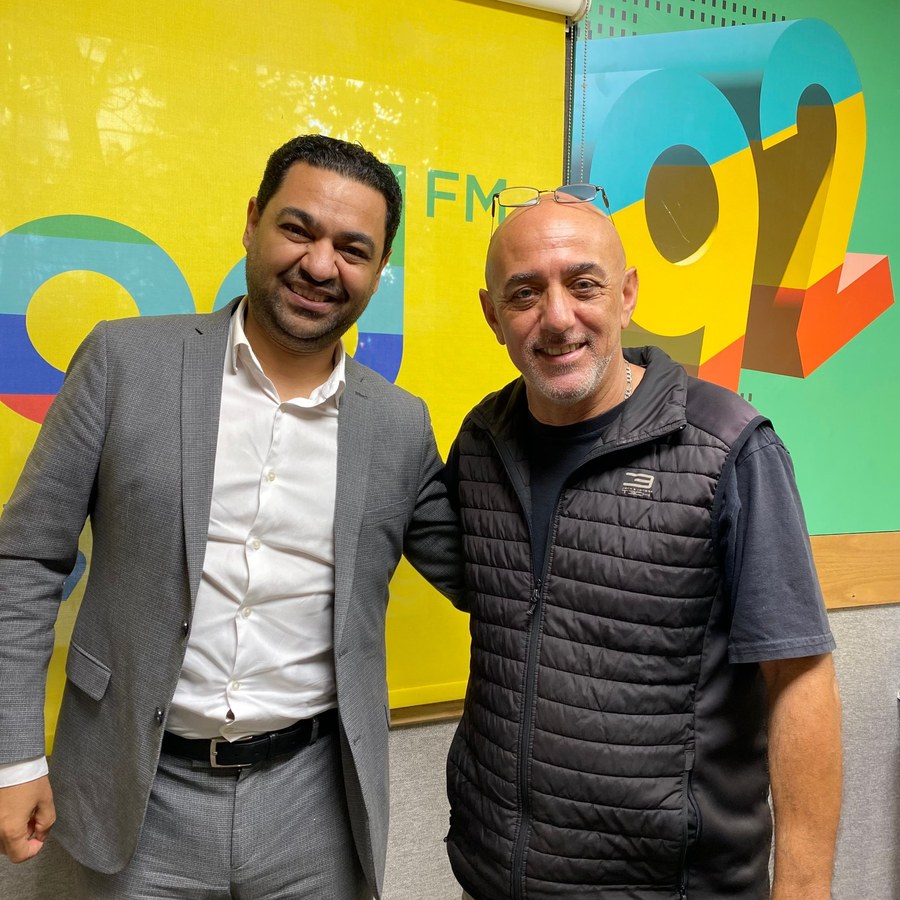
Islam AbouElEnein with the show host in the Mood FM studio
On air · Mood FM Radio · October 2026

From Autopilot to Awareness: The Hidden Power of Questions

A conversation on Mood FM about executive coaching: how the right question interrupts our autopilot, what happens in the brain when we pause to search for an answer, and how awareness opens the door to a change in mindset.

21 min 35 sec
ISSUE 01 · OCTOBER 2026 · 4 MIN READ

Why “what else?” is the most underrated question in coaching

The first answer comes from habit. The second and third come from searching. Here is what that pause does in the brain, and how to hold it.

Ask a leader what is getting in the way of their goal, and you will almost always get a fast, tidy answer. “Time.” “My team isn't ready.” “Budget.” It sounds like insight. Most of the time it is a rehearsed story.

That first answer matters, but it is rarely the one that changes anything. The question that moves the conversation is the one that comes next: “What else?”

The first answer is the easiest one to reach

The brain is an efficiency machine. When we hear a familiar question, it reaches for the most accessible answer, the one already well rehearsed. Each time a story is retold, it gets easier to retrieve. So the first answer tells you what the client has said before, not necessarily what is true now.

“What else?” switches the brain from retrieving to searching

When the easy answer is set aside, the brain has to look further. This pause matters. The prefrontal cortex holds the question open while the mind widens its search, pulling in memories, feelings and connections that were not part of the usual story.

Research on insight by Mark Beeman and John Kounios found that “aha” moments are preceded by a brief inward turn of attention, a quietening of outside input, followed by a burst of activity in the right temporal lobe as distant ideas link up. You often see this in a session: the client looks away, goes quiet, then says something they did not expect to say.

Silence is part of the question

The most common mistake is to fill that silence. A coach who rushes in with a new question or a suggestion pulls the client back to the surface just as the search begins. The pause is not a gap in the conversation. It is where the work happens.

How to use it in your next session

  • Ask it more than once. The second “what else?” often brings up the real issue; the third can bring up the emotion beneath it.
  • Hold the silence. Count slowly to five in your head before you speak.
  • Watch the eyes. A shift of gaze or a slower breath usually means the client is searching. Let them finish.
  • Stop when it lands. When you hear “Actually…” or a change in tone, follow that thread instead of asking again.
Try this week

“And what else is in the way?” Then wait.

Further reading: Kounios, J. & Beeman, M. (2015). The Eureka Factor. Random House. · Bungay Stanier, M. (2016). The Coaching Habit. Box of Crayons Press, which popularised “And what else?” as a coaching question.

About

From pharmacy to coaching

  • Bachelor of Pharmaceutical SciencesAlexandria University
  • Organizational LeadershipHarvard Business School
  • Diploma Level 5, Learning & DevelopmentCIPD
  • Executive Coaching CertificationiPEC
  • The Art & Science of Coaching, Level 3: The MCC JourneyErickson Coaching International · In progress
I studied how molecules change the body. Now I work on how questions change the mind.

I started as a medical representative in Egypt and Saudi Arabia, led sales teams, then moved into talent and leadership development across the Middle East, Africa, Asia and the US. Along the way I found that the biggest shifts in performance came from better conversations, not more training.

I volunteer as an executive coach, mentor and coach supervisor with The Humanitarian Coaching Network. I work in English and Arabic. Married, father of three, a keen reader and a weekend footballer.

Contact

Get in touch

For speaking, collaboration or a conversation about coaching and leadership, write to me or connect on LinkedIn.

islam@coachsbrainmap.com